| Last additions - Around the Garden |

Memorial489 viewsMemorial in the OVF Community area (Photo Credit: D. Cleverdon (photo taken 8/27/2011))Sep 18, 2011
|
|

Borage349 viewsBorage (Photo Credit: D. Cleverdon (photo taken 8/27/2011))Sep 18, 2011
|
|

Ladybug hunting Aphids392 viewsSo many aphids, so little time.
What's a girl to do! Yummy! (Photo Credit: D. Cleverdon (photo taken 8/26/2011))Sep 15, 2011
|
|

Ladybugs - Aphid killers390 viewsLadybugs hunt down and eat aphids. Release the ladybugs at sunset so they can settle. In the morning they will breakfast on aphids. (Photo Credit: D. Cleverdon (photo taken 8/20/2011))Sep 15, 2011
|
|

Black & Red Aphids with White Nymphs313 viewsIn addition to sucking out the fluids of a plant, aphids also introduce disease vectors when they penetrate the leaf and/or stem. (Photo Credit: D. Cleverdon (photo taken 8/28/2011))Sep 15, 2011
|
|

Red Aphids & White Nymphs404 viewsAphids attack weak plants. If a plant is healthy and has a strong vascular system the aphids have difficulty penetrating the cell walls. (Photo Credit: D. Cleverdon (photo taken 8/20/2011))Sep 15, 2011
|
|
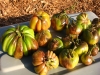
Late Blight (Phytophthora infestans)416 viewsTomato fruits infected with Late Blight.
Dark oily discoloration. Throw them in the trash; do not compost as the spores will not be killed (Photo Credit: D. Cleverdon (photo taken 9/2/2011))Sep 15, 2011
|
|

Late Blight (Phytophthora infestans)395 viewsLate Blight will cause the fruit to become discolored and blistered with an oily looking sheen. Spores can reside in the soil for years. (Photo Credit: D. Cleverdon 7/4/2011)Aug 21, 2011
|
|

Late Blight (Phytophthora infestans)386 viewsStems will turn brown and become brittle. The slightest pressure will make them snap. Avoid having wet foliage when the sun goes down. (Photo Credit: D. Cleverdon 7/4/2011)Aug 21, 2011
|
|

Late Blight (Phytophthora infestans)394 viewsLate Blight spores can be blown in by the wind or be splashed up from the soil when watering. Leaves of the plant turn yellow and brown. (Photo Credit: D. Cleverdon )Aug 21, 2011
|
|

Late Blight (Phytophthora infestans)394 viewsLate Blight (Phytophthora infestans) is a spore borne disease which can devastate plants. The spores thrive in a cool, moist environment. (Photo Credit: D. Cleverdon 7/9/2011)Aug 21, 2011
|
|
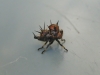
Green Keeled Tree Hopper Nymph (Antianthe expansa)432 viewsNymph stage of the Keeled Tree Hopper (Antianthe expansa). Hoppers penetrate the cell walls of the stems and suck out the fluids. (Photo Credit: D. Cleverdon 9/24/2010)Aug 21, 2011
|
|
| 209 files on 18 page(s) |
 |
|
|
|
|
12 | |
|
|
|
|


